
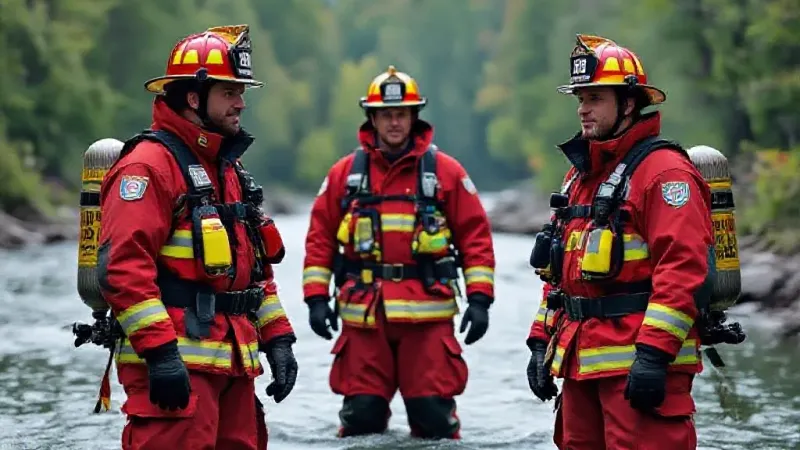
Twenty-two firefighters from Charlotte Fire's Task Force 3 are standing by to assist residents in western North Carolina as the remnants of Hurricane Isaias move through the state. The team, comprising 22 members, established its base at the department's Operations Center in Huntersville for the duration of the storm. Task Force 3 was instructed to prepare at 8 a.m. Saturday and confirmed its readiness for deployment by 10 a.m. the same day. The team was tentatively scheduled to maintain its standby status until 7 p.m. Sunday.
The specialized team possesses a range of capabilities designed to save lives during natural disaster events. These include performing water and flood rescues, responding to building collapses, and addressing hazards caused by mudslides. Captain Jerry Rodgers elaborated on the team's capacity for "any flood rescue if a boat was needed" and assisting people in flooded homes, as well as handling situations where buildings might collapse due to structural damage or trees. He also confirmed their ability to manage mudslides.
Rescue engineer Dennis White further described the Task Force's extensive equipment. He stated that their specialized truck carries all heavy lifting, rigging, and concrete breaking tools, enabling them to conduct trench and water rescues, as well as handle any situation involving a collapsed structure. White highlighted that the team is equipped with swift water boats and motors, along with gear specifically designed for working effectively in flood environments. In addition to these technical tools, the team has prepared food, water, and all-terrain vehicles for their potential deployment.
Beyond Charlotte Fire's Task Force 3, other regional fire departments are also on standby with similar critical resources. The Mooresville Fire Department's team has been positioned in Yancey County, while the Harrisburg Fire Department's team is located near Lenoir. The American Red Cross's Charlotte-area chapter is also contributing to relief efforts, although it had previously deployed resources to the Gulf Coast, specifically the Florida Panhandle.
Jason Gudzunas, executive director of the Charlotte Red Cross, outlined the organization's essential services during such emergencies. He explained that the Red Cross is prepared to open shelters, offer food, provide emergency supplies, and distribute cleanup kits. The goal, Gudzunas stated, is to ensure that affected individuals have a safe place to go and to assist them with a recovery plan if their homes have sustained damage. The broader impact of the storm's remnants has led to significant disruptions, with reports indicating that more than 10,000 residents were without power across the Carolinas as a result of Hurricane Isaias’ remnants, which brought flood and wind alerts to the region.