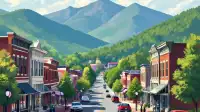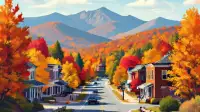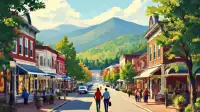
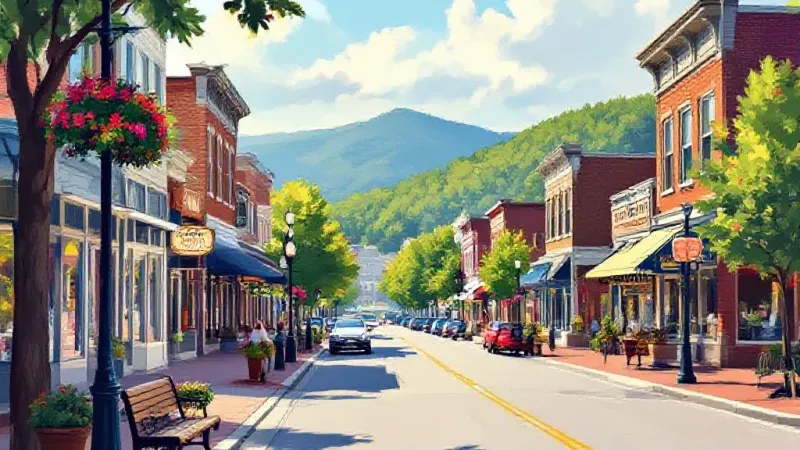
The North Carolina High Country is currently awash in the vibrant hues of autumn, with a striking "sea of yellow, red and orange" decorating the rolling hills and mountain peaks. While it finally feels like fall across parts of North Carolina, the visual spectacle is now becoming increasingly apparent, transforming the landscape.
However, residents and visitors seeking the most intense fall colors should note a shift in location. According to the Grandfather Mountain Stewardship Foundation, the very highest elevations have largely moved past their peak display. Instead, some of the most vibrant coloration in the High Country can now be discovered at lower altitudes, specifically below 4,500 feet. This transition means that while the overall visual impact of fall foliage is strong, specific locations for prime viewing are changing.
The current fall color progression is not uniform, with changes appearing patchy across local areas. Furthermore, the overall brilliance and longevity of the remaining fall foliage throughout the season could be compromised by existing drought stress. Observations in recent weeks have already indicated some leaf drop, which might be an early sign of these environmental factors influencing the autumn display.
The timing of the current peak in the North Carolina mountains, occurring now and expected to continue within the next 10 days, aligns with typical seasonal patterns. Historically, the average peak for mountain foliage arrives in mid-to-late October. The natural progression of color change takes time to descend through varying elevations, influencing when and where the most striking displays are observed across the region.
Looking ahead, the peak foliage will continue its descent and shift geographically. For areas situated closer to the Virginia state line, peak colors are typically anticipated in early November. Most other parts of the broader region generally experience their peak fall splendor closer to mid-November. Further east, in the Sandhills area of the state, the arrival of the brightest colors can extend even later, often appearing toward Thanksgiving. This staggered timeline provides an extended window for enjoying the natural beauty of the season across different parts of North Carolina.
The underlying process behind this annual transformation of green leaves into a kaleidoscope of reds, oranges, and yellows is a natural biological response to changing environmental conditions. As the fall months bring a gradual loss of sunlight and a decrease in rainfall, the production of chlorophyll within the leaves begins to slow down. Chlorophyll is the chemical compound responsible for the green pigmentation in leaves during the growing season. As its production diminishes, other pigments that were previously masked by the abundant green become visible, revealing the brilliant autumn colors.