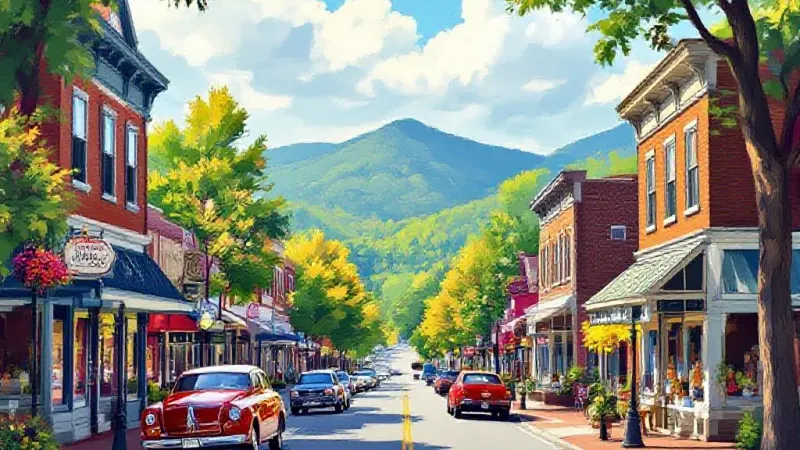
Western North Carolina is currently experiencing the heart of its fall foliage season. Peak color has arrived across the highest mountain ridges, including the High Country, the Smokies, and along the Blue Ridge Parkway toward Mt. Pisgah. These areas are displaying the most intense and widespread autumn colors.
At mid-elevations, the transition is well underway, with near-peak color showing a blend of vibrant oranges, yellows, and reds. Further down, mountain valleys are experiencing moderate color, characterized by a mix of autumn hues alongside lingering green foliage. Local observations confirm that moderate color is steadily progressing into these lower valley elevations, allowing residents and visitors alike to witness the unfolding changes without necessarily heading to the highest peaks.
The stunning array of colors transforming the mountainsides is a direct result of the interplay between weather patterns and natural chemistry. As daylight hours decrease and temperatures begin to drop, trees naturally slow down photosynthesis, the fundamental process they use to convert sunlight into food for growth.
During this slowdown, the prominent green pigment known as chlorophyll starts to break down. Simultaneously, essential nutrients like nitrogen and phosphorus are carefully moved back into the tree's main structure for storage, preparing the tree for the dormant winter months. This internal cycling allows the tree to conserve resources until spring.
With the breakdown of chlorophyll, other pigments that were previously obscured by the dominant green become fully visible. Xanthophyll, a pigment also found in corn, is responsible for the bright yellow colors seen in many fall leaves. Similarly, carotene, the same compound that gives carrots their distinctive color, produces the rich orange tones. These pigments serve an additional purpose, helping to protect the leaf from sunlight while the tree reclaims its vital nutrients.
The formation of brilliant red leaves, however, is particularly influenced by cooler nighttime temperatures. When temperatures drop significantly overnight, sugars that are typically transported back into the tree's branches become trapped within the leaves. These trapped sugars then react with sunlight, leading to the production of anthocyanins. This is the same red pigment responsible for the deep colors found in strawberries, apples, and roses, contributing to the striking crimson shades that characterize much of the autumn foliage.
Conditions for enjoying these fall hues are expected to be ideal this upcoming weekend. Forecasts indicate sunny skies and comfortable daytime highs in the sixties, paired with crisp overnight lows in the thirties and forties. This combination provides the perfect recipe for intensifying and showcasing the vibrant fall colors across the region. For those contemplating a trip up the Blue Ridge Parkway, this weekend is shaping up to be a fantastic opportunity for a scenic drive amidst the peak autumn beauty.